What Every Couple Should Know Before Booking
Choosing your wedding photographer is one of the most important decisions you’ll make when planning your wedding. Long after the day is over, your photographs will be what remains—how the day felt, how it looked, and how you remember it.
But in a city like Chicago, where there are hundreds of photographers with different styles, price points, and approaches, knowing how to choose the right one can feel overwhelming.
This guide will walk you through exactly how to choose a Chicago wedding photographer who aligns with your vision, your venue, and your overall experience.
Why Choosing the Right Photographer Matters
Your photographer is one of the only vendors who is with you for the majority of your wedding day. From getting ready to the final moments on the dance floor, they are not just documenting the day—they are shaping how it unfolds.
The right photographer will:
• create an environment where you feel comfortable and present
• anticipate moments before they happen
• guide you when needed and step back when it matters
• deliver images that feel timeless, not trendy
The wrong photographer, on the other hand, can disrupt the flow of your day or leave you with images that don’t reflect how the moment actually felt.
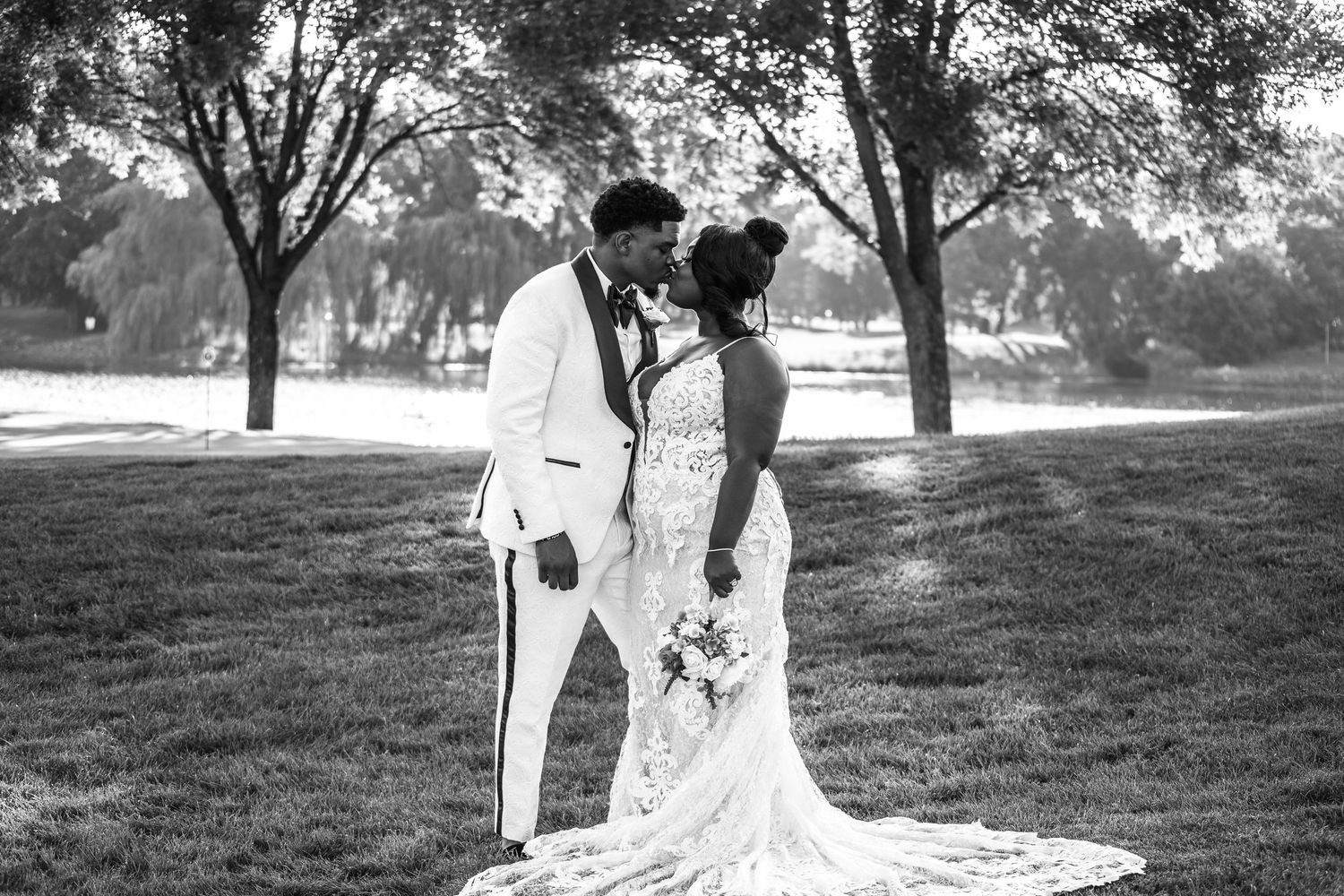
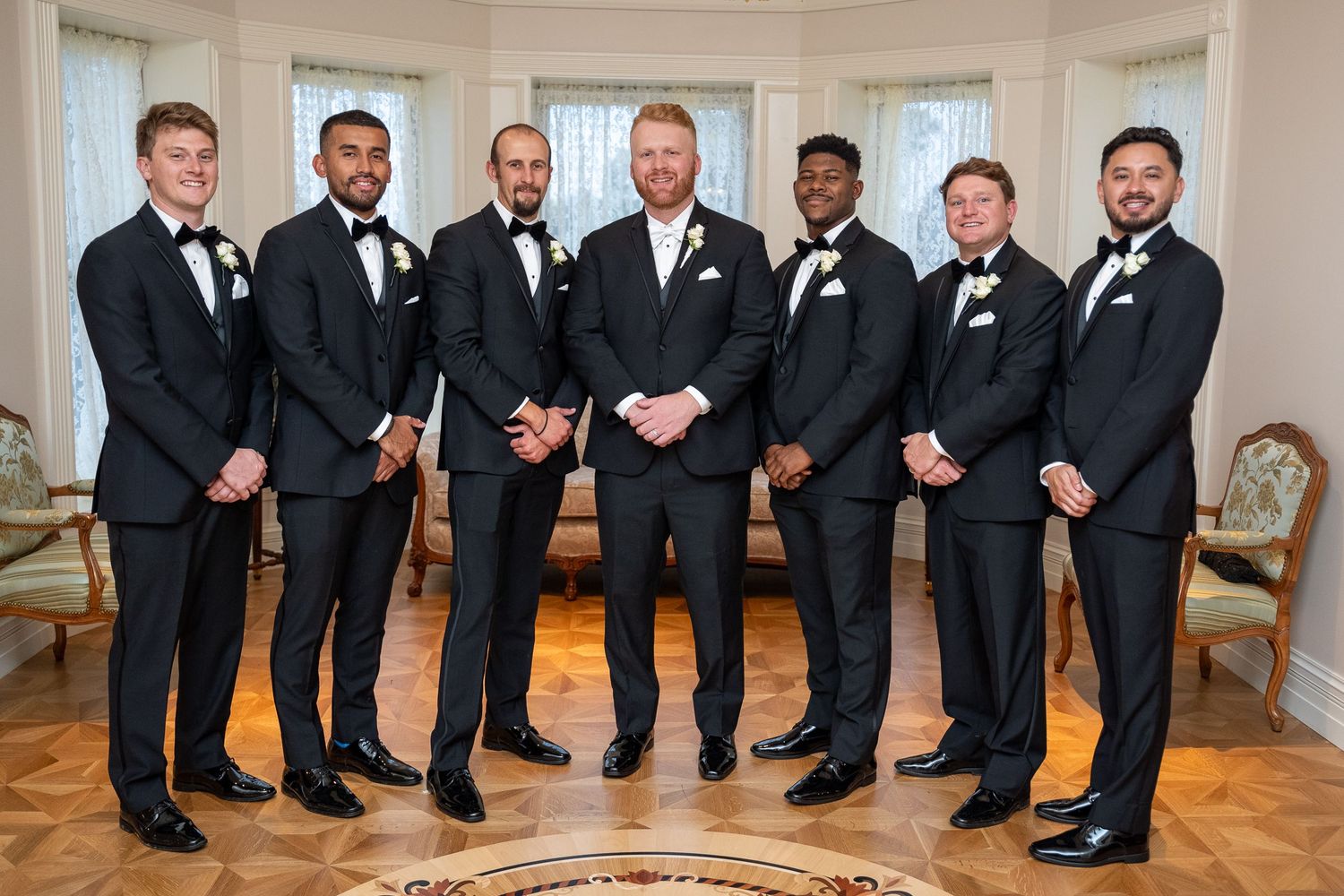
1. Understand the Different Photography Styles
Before reaching out to photographers, it’s important to understand the different styles you’ll encounter.
Most Chicago wedding photographers fall into one or a blend of the following categories:
Highly composed, intentional images that feel polished and magazine-worthy.
Focused on capturing candid moments as they naturally unfold.
Structured, posed images with a more classic approach.
A blend of both—capturing candid emotion while also creating refined, intentional portraits.
Understanding what resonates with you will help narrow your search significantly.
2. Look at Full Wedding Galleries (Not Just Instagram)
Instagram shows highlights.
What matters is consistency.
Ask to see full galleries from:
• similar venues
• similar lighting conditions
• entire wedding days (not just curated posts)
This gives you a realistic understanding of how the photographer performs throughout an entire wedding—from morning to night.
3. Consider Chicago-Specific Experience
Chicago presents unique challenges and opportunities that not every photographer is prepared for.
An experienced Chicago wedding photographer understands:
• how to work with rapidly changing weather
• lighting inside historic churches like Holy Name Cathedral
• navigating busy locations like Buckingham Fountain
• timing portraits around traffic and city logistics
This kind of local knowledge can make a significant difference in how smoothly your day runs.
4. Think About the Experience—Not Just the Photos
The best wedding photography is about more than images. It’s about how you feel throughout the process.
Ask yourself:
• Do I feel comfortable talking to this photographer?
• Do they understand our vision?
• Do they guide us or just show up?
A photographer who creates a relaxed and supportive environment will naturally produce better images because you’ll feel more like yourselves.
5. Understand Wedding Photography Pricing in Chicago
Wedding photography pricing in Chicago typically ranges from:
$3,000 – $10,000+
depending on:
• experience
• hours of coverage
• number of photographers
• editing and deliverables
At Light + Chapel, wedding collections begin at $4,000, designed for couples who value both storytelling and refined imagery.
It’s important to look beyond just the price and understand what’s included in each collection.
6. Ask About Coverage & Timeline
Every wedding is different, but most Chicago weddings require:
• 8–10 hours of coverage
• time for getting ready
• first look or pre-ceremony portraits
• ceremony coverage
• reception coverage
Your photographer should help guide your timeline—not just follow it.
7. Consider Your Venue & Lighting
Your venue plays a huge role in how your photos will look.
Chicago venues range from:
• historic cathedrals like Holy Name Cathedral
• elegant spaces like The Ivy Room
• industrial venues like Lacuna Lofts Chicago
Each presents different lighting challenges. Make sure your photographer has experience in similar environments.
8. Evaluate Editing Style & Consistency
Editing style is what gives photos their overall feel.
Look for:
• natural skin tones
• consistent color across galleries
• timeless editing vs. heavy trends
Trendy editing styles can date quickly. Timeless work holds up for decades.
9. Make Sure You Connect Personally
This is one of the most overlooked factors.
Your photographer will be with you during some of the most emotional and personal moments of your day.
Connection matters!
When there’s a strong fit, it shows in the photos.
10. Read Reviews & Testimonials
Reviews can give insight into:
• how the photographer communicates
• how they handle stress or unexpected situations
• how couples felt working with them
Look for patterns—not just one or two reviews.
11. Ask About Backup Plans & Reliability
Professional photographers should always have:
• backup camera equipment
• backup storage systems
• contingency plans
This ensures your wedding is protected no matter what.
12. Understand What Happens After the Wedding
Ask about:
• turnaround time
• gallery delivery
• print options
• album design
The experience doesn’t end on your wedding day—it continues through the delivery process.
13. Consider Engagement Sessions
Many couples choose to do an engagement session before their wedding.
This allows you to:
• get comfortable in front of the camera
• build a relationship with your photographer
• understand how they guide and direct
It often makes a big difference in how relaxed you feel on your wedding day.
14. Trust Your Instincts
After all the research, your decision often comes down to instinct.
If everything aligns—portfolio, personality, experience, and communication—you’ll feel confident in your choice.
15. Focus on Fit Over Everything
The most important factor isn’t just talent—it’s alignment.
The right photographer will:
• understand your vision
• create a comfortable environment
• capture your story authentically
Because at the end of the day, great photography isn’t just about how it looks—it’s about how it feels.