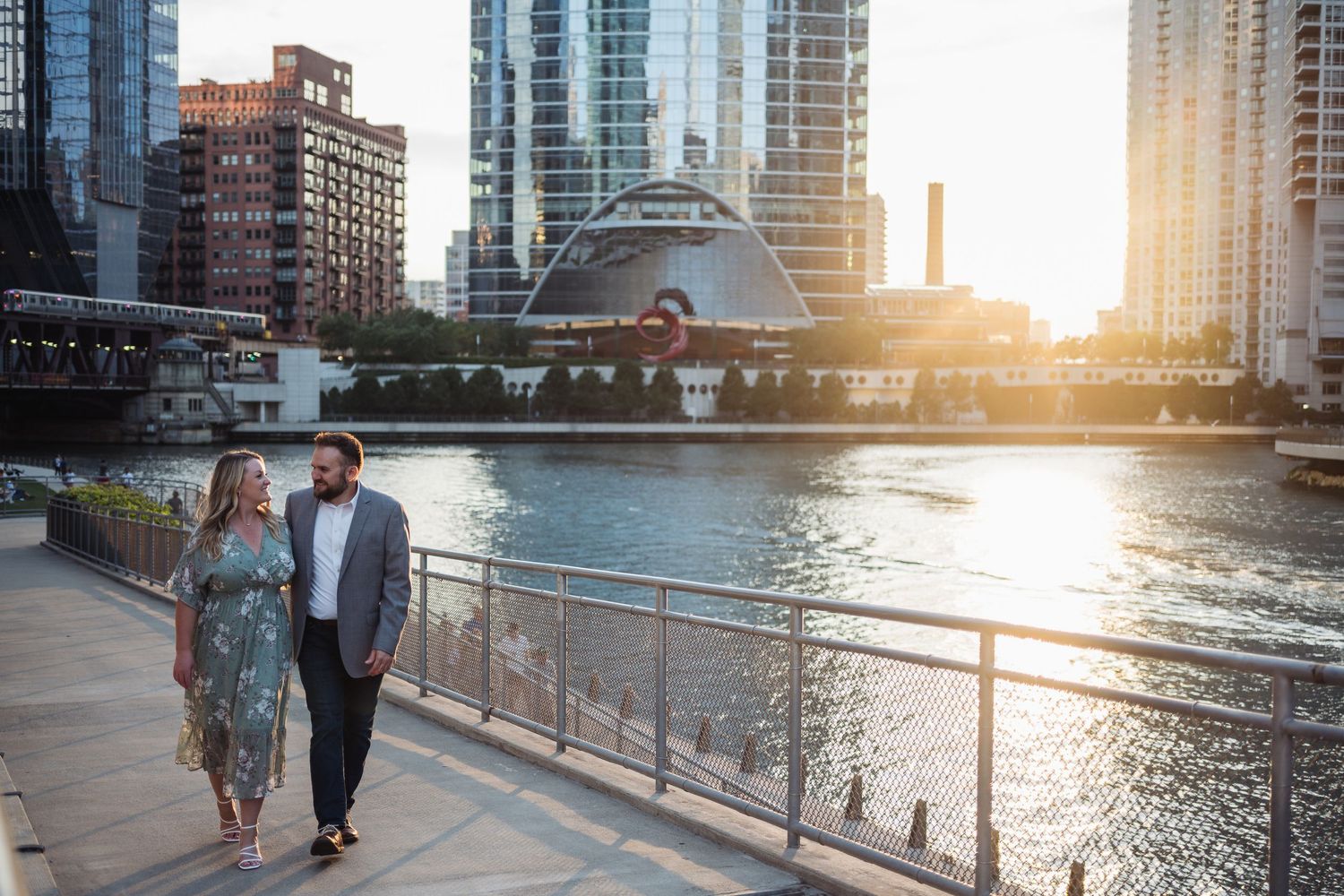
Just Engaged? Your Complete Wedding Planning Guide
What to do after getting engaged, where to begin, and how to plan a wedding that feels like you.
Congratulations, you're engaged!
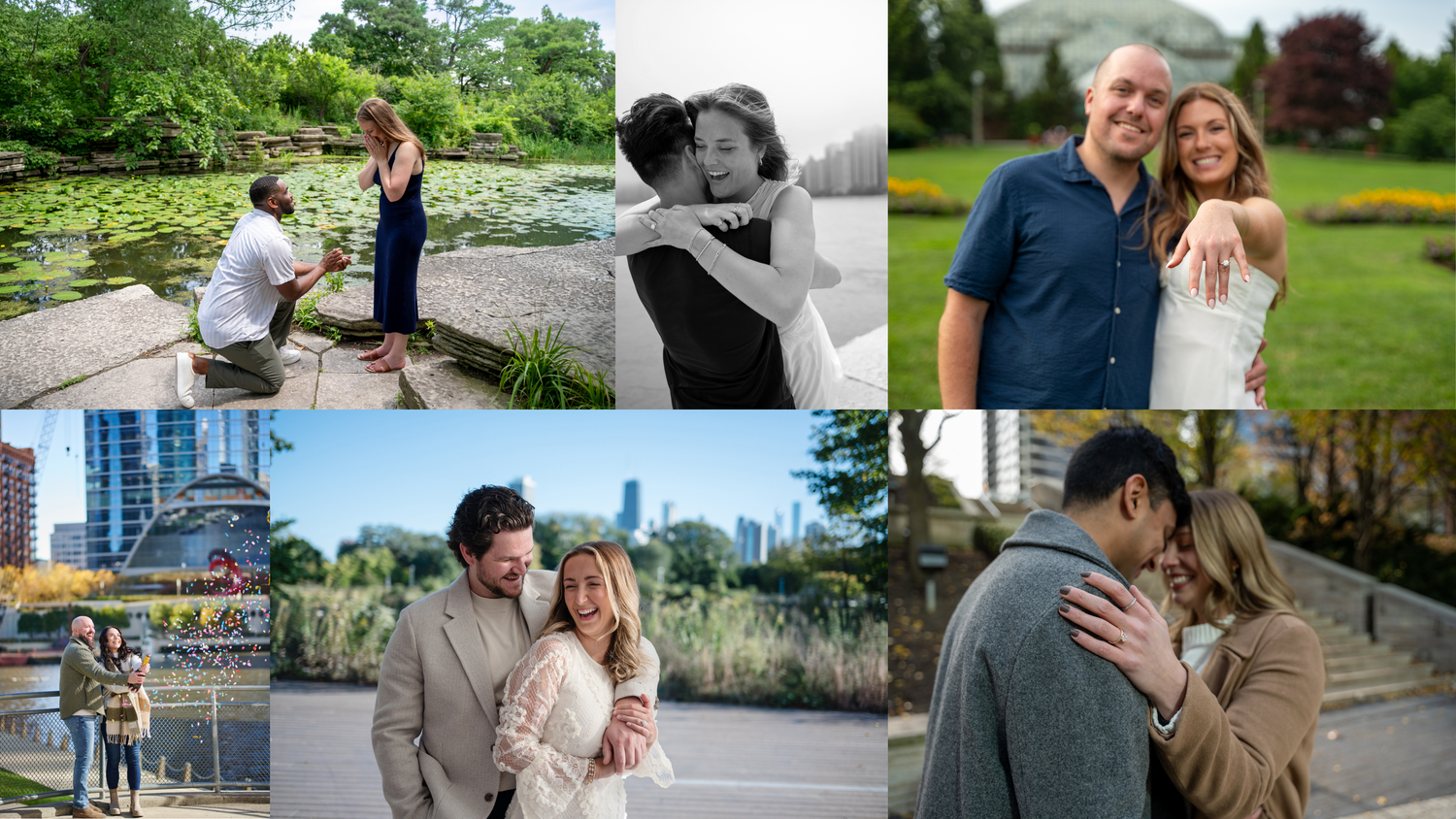
Whether the proposal happened during a quiet moment together, overlooking the Chicago skyline, or surrounded by your closest family and friends, you've just stepped into an exciting new chapter of your story.
And while there's plenty to celebrate, it's natural to start wondering: What happens next?
When should you choose a wedding date? How do you begin building a budget? Which vendors should you book first? And how do you plan a wedding that feels personal without becoming overwhelmed by all the decisions?
The good news is that you don't need to figure everything out immediately.
At Light + Chapel, we've had the privilege of documenting proposals, engagements, and weddings throughout Chicago and beyond. Along the way, we've seen how thoughtful planning can create space for a wedding experience that feels meaningful, intentional, and genuinely reflective of the people celebrating.
We created this guide to help you navigate the journey from newly engaged to newly married, one thoughtful decision at a time.
A Personal Note from Maurice
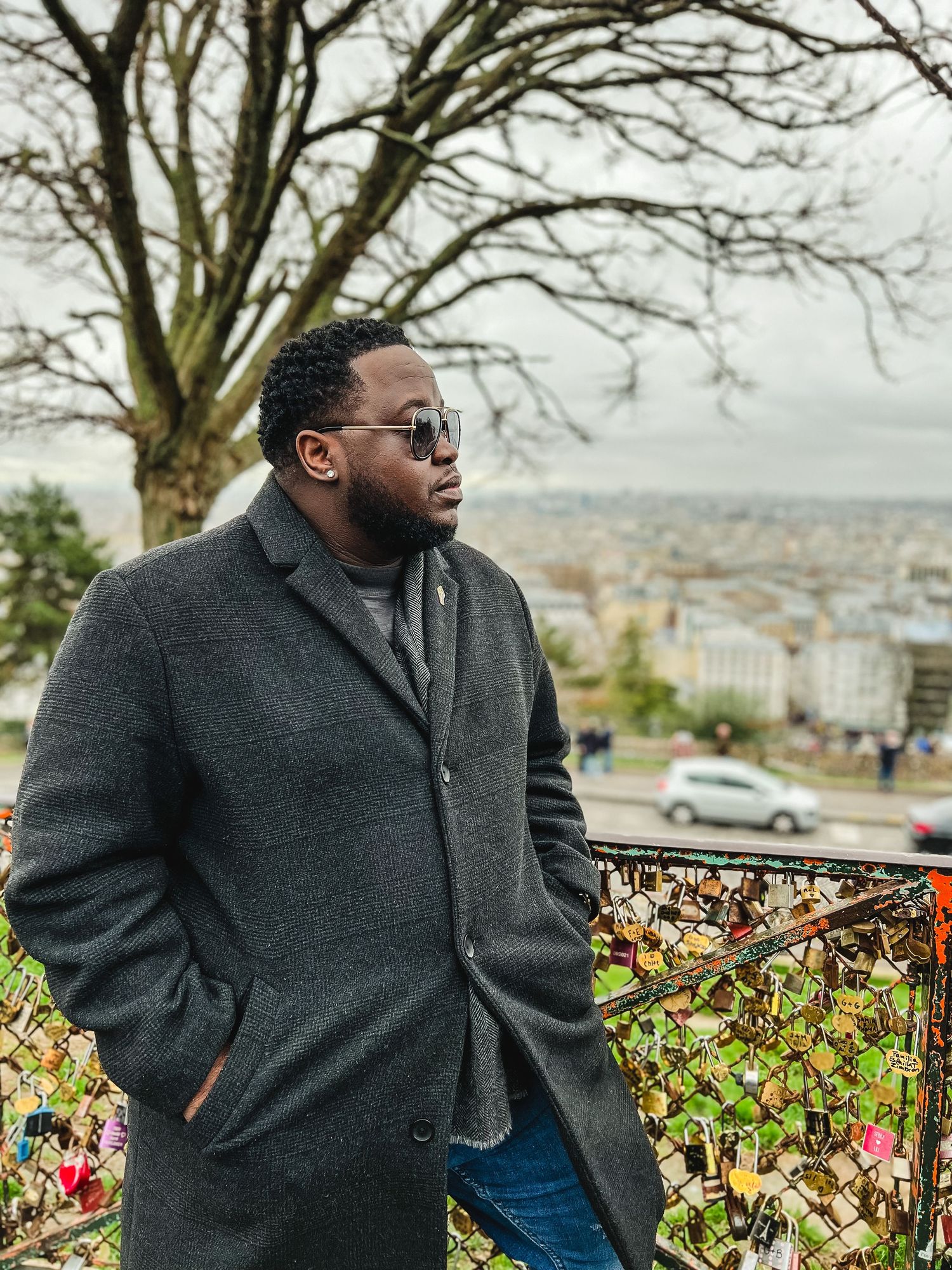
Over the years, I've had the privilege of photographing couples at some of the most meaningful moments in their lives, from the anticipation and excitement of a surprise proposal to the emotions and celebrations of their wedding day.
One thing I've learned is that no two couples experience this journey the same way.
Some couples begin planning their wedding almost immediately after getting engaged. Others take their time, enjoying the moment before deciding what their celebration will look like. And while every couple has different priorities, I've noticed that the most meaningful weddings aren't necessarily the most elaborate. They're the ones that genuinely reflect the people getting married.
Photographing weddings throughout Chicago has also taught me how much the little decisions matter. The way a timeline is structured, the locations you choose, the people you surround yourselves with, and even the moments you intentionally leave unplanned can all shape how your wedding day feels.
My biggest piece of advice? Don't get so caught up in planning the perfect wedding that you forget to create an experience you'll actually enjoy.
Beautiful photographs are important, of course. But the moments behind those photographs matter even more.
That's something I believe deeply in at Light + Chapel. My approach has always been about finding the balance between editorial artistry and genuine human connection, creating images that feel as authentic as they are beautiful.
Whether I've already had the pleasure of photographing your proposal or you're discovering Light + Chapel for the first time, I hope this guide helps you approach wedding planning with a little more clarity, confidence, and excitement.
And most importantly, I hope you enjoy the journey.
Maurice "Sonny" Strickland
Founder & Lead Photographer, Light + Chapel
1. You're Engaged! Here's What to Do First
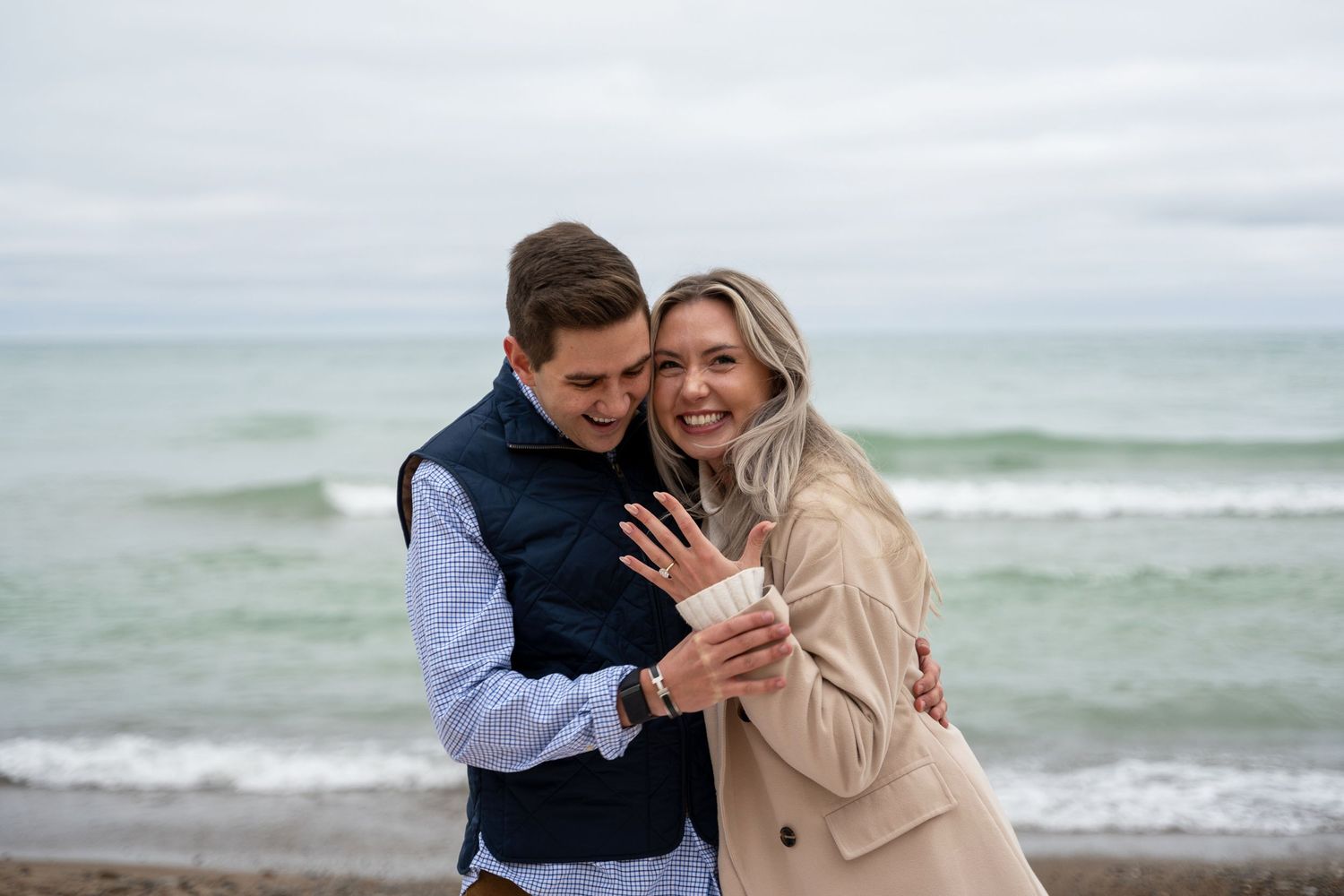
Before you start researching venues, comparing photographers, or building Pinterest boards, give yourselves permission to enjoy being engaged. There's no rule that says wedding planning needs to begin the morning after the proposal. For some couples, the first few weeks are spent celebrating with family and friends. Others are excited to start exploring wedding ideas right away. Both approaches are perfectly fine.
Share the News Your Way
Start by telling the people who matter most to you.
You might want to call your closest family members, plan a small engagement celebration, or simply spend a little time enjoying the moment privately before announcing it publicly.
If your proposal was professionally photographed, consider sharing a few favorite images when you're ready.
Those photographs can also become part of your wedding story later, whether through save-the-dates, your wedding website, or a guest book displayed at your reception.
Talk About What Marriage and Your Wedding Mean to You
Before discussing specific venues or color palettes, have a conversation about the experience you want to create.
Ask yourselves:
- Do we envision an intimate celebration or a large wedding?
- Would we prefer something traditional, modern, or completely unconventional?
- Do we want to celebrate in Chicago or consider a destination wedding?
- What parts of the day matter most to each of us?
- What do we want our guests to remember?
- What do we want to remember?
You don't need to agree on every detail immediately. The goal is to start understanding what matters most to both of you.
2. Your First 30 Days of Wedding Planning

The first month of your engagement is a great time to establish a foundation without feeling pressured to make every decision at once.
Week 1: Celebrate and Connect
Enjoy your engagement, share the news with loved ones, and take some time together before diving into logistics.
If you had a surprise proposal photographer, this is also a wonderful time to revisit those photographs and preserve the memories.
Week 2: Discuss Your Wedding Vision
Begin talking about the type of celebration you want.
Think about the atmosphere, approximate guest count, location, and overall experience.
You might discover that you're drawn to an elegant downtown Chicago wedding, a romantic garden ceremony, a historic venue, or a smaller celebration with your closest friends and family.
Don't worry about finalizing the details. Focus on finding common ground.
Week 3: Establish Your Initial Budget
Start discussing how much you're comfortable investing in your wedding.
Consider any financial contributions from family, your personal priorities, and the expenses that will have the greatest impact on your experience.
Your budget doesn't have to be perfect immediately, but having an initial range will make researching venues and vendors much easier.
Week 4: Explore Dates, Venues, and Key Vendors
With a general vision and budget in mind, begin researching potential wedding dates and venues.
Once you have a likely date, start contacting the vendors whose work matters most to you.
For many couples, photography is one of those early priorities because the photographs will become the lasting visual record of the celebration.
A helpful reminder: Wedding planning isn't a race. This timeline is a starting point, not a deadline. If your engagement will last two years, you may have more flexibility. If you're planning a wedding within six months, some decisions may need to happen sooner.
3. Creating Your Wedding Vision and Budget
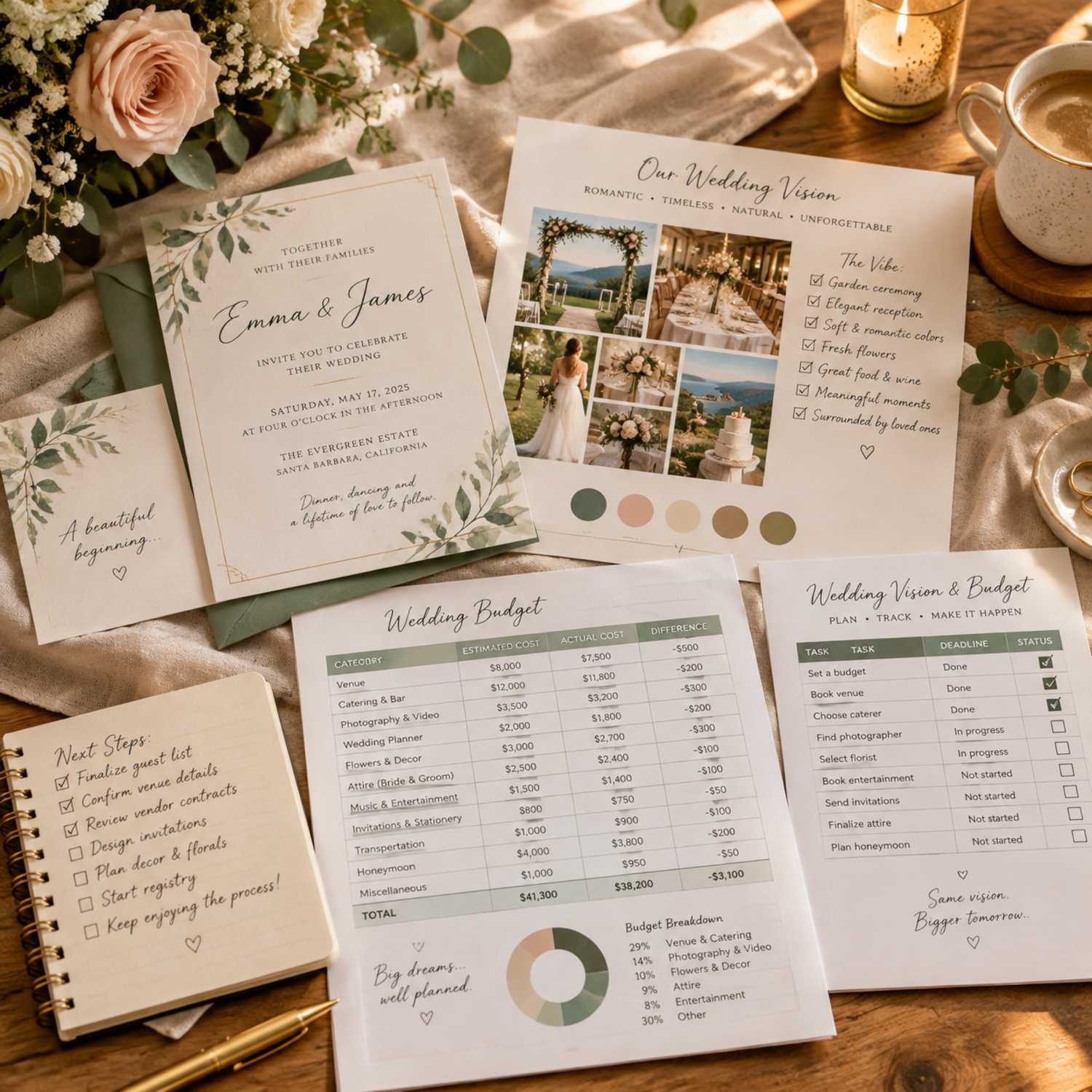
One of the most helpful things you can do early in wedding planning is separate what you love from what you feel expected to do.
It's easy to become influenced by social media, wedding trends, and the opinions of others.
But your wedding should ultimately reflect your relationship, your priorities, and the experience you want to share.
Start With Your Priorities
Before dividing your budget into categories, identify the three things that matter most to you.
For example, you might prioritize:
- A beautiful venue with meaningful architecture
- Exceptional photography and videography
- An unforgettable guest experience
- Incredible food and entertainment
- Personal details that tell your story
- Knowing your priorities helps you make confident decisions when comparing options.
Understand Where Your Budget Goes
Wedding budgets often include venue rental, catering, photography, videography, attire, florals, entertainment, planning, transportation, stationery, and other expenses.
Ask vendors for complete estimates, including applicable taxes, service charges, travel fees, and additional costs. It's also wise to reserve a portion of your budget for unexpected expenses.
Rather than choosing vendors based on price alone, consider the experience, quality, and long-term value of what you're receiving.
4. Choosing Your Wedding Date and Venue
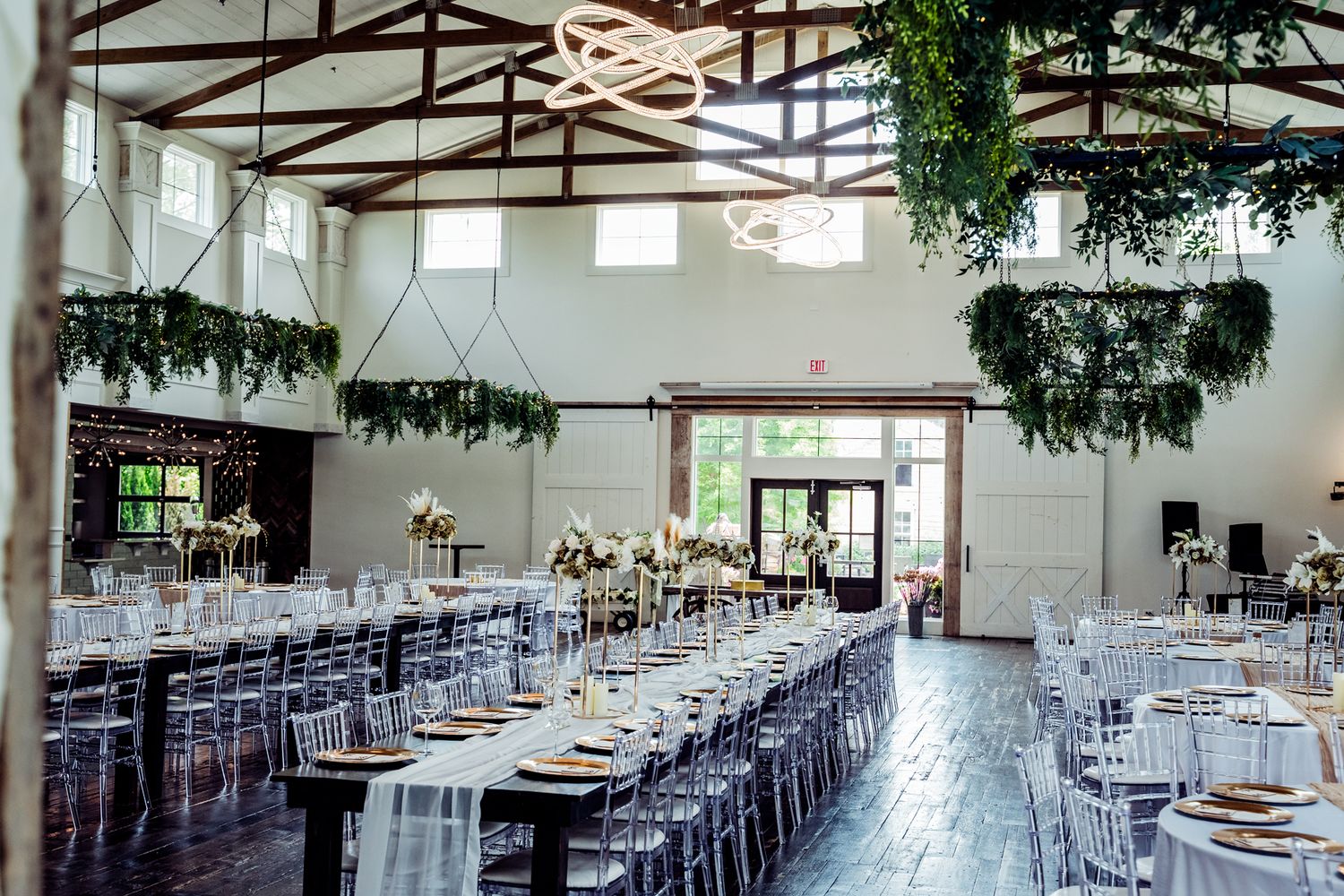
Your wedding date and venue influence nearly every other planning decision. They determine which vendors are available, how your timeline might unfold, and the atmosphere of your celebration.
How to Choose a Wedding Date
Start with a season rather than a single date. Chicago offers dramatically different wedding experiences throughout the year.
Spring brings fresh greenery and softer seasonal colors. Summer offers longer daylight hours and opportunities for outdoor celebrations. Fall introduces rich foliage and a romantic atmosphere, while winter creates opportunities for elegant indoor celebrations.
Consider your preferred season, guest availability, holidays, travel plans, and overall budget. Having two or three possible dates can give you more flexibility when speaking with venues.
Finding the Right Chicago Wedding Venue
Chicago offers an incredible range of settings, from historic churches and grand ballrooms to industrial lofts, intimate restaurants, and contemporary event spaces.
As you explore venues, consider more than how they look in photographs.
Ask about guest capacity, accessibility, ceremony and reception arrangements, indoor backup options, available getting-ready spaces, vendor restrictions, and how much time you'll have on the property.
Also consider the logistics of moving between locations.
For example, if you're getting ready at a downtown hotel, holding your ceremony at a church, and hosting your reception elsewhere, travel time can significantly affect your wedding photography timeline.
A thoughtful venue choice creates a foundation for a smoother wedding day.
5. When Should You Book Your Wedding Photographer?
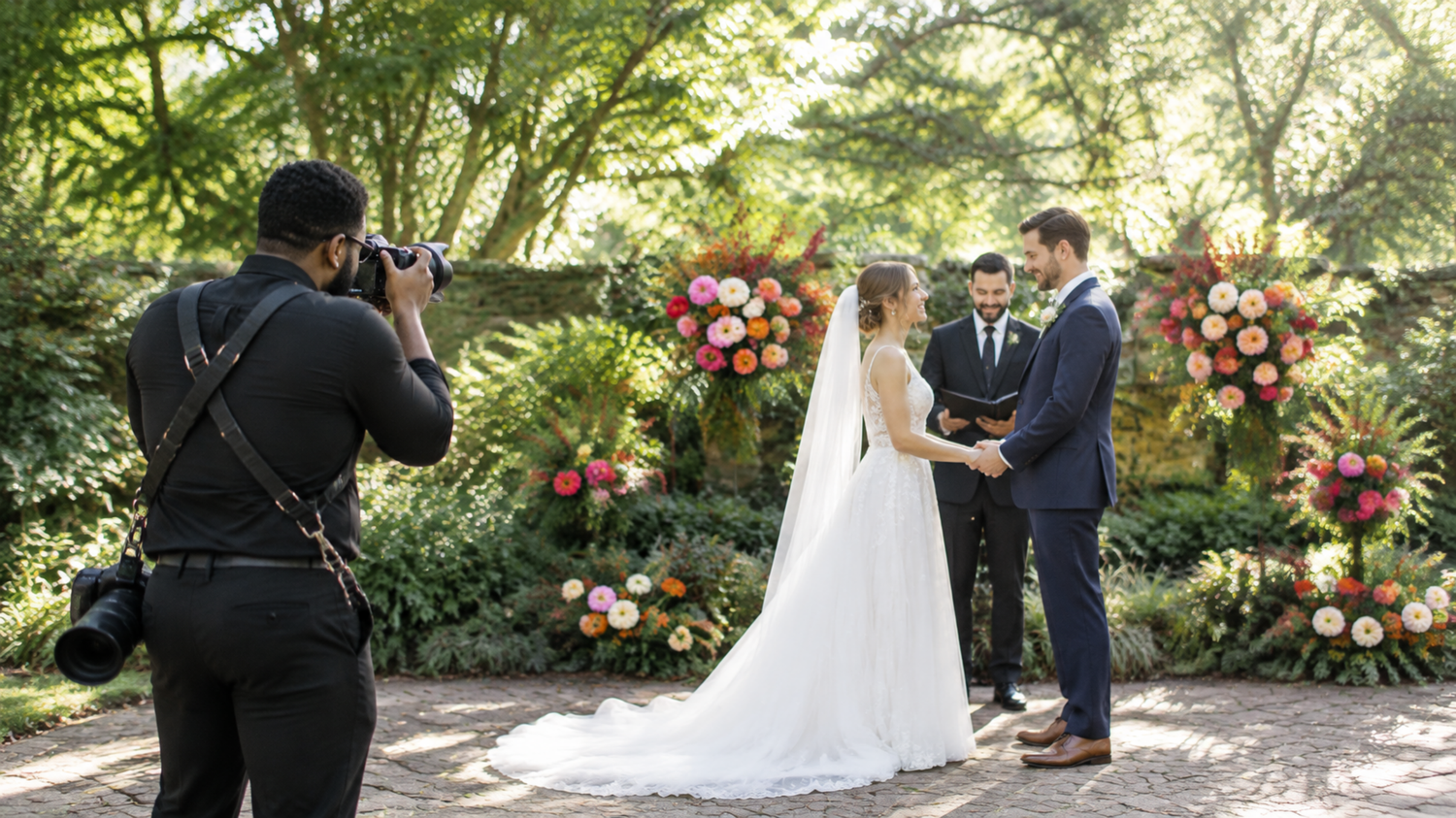
Once you've secured your wedding date and venue, wedding photography is one of the next services worth researching.
Many couples begin contacting photographers approximately 9–15 months before their wedding, particularly when planning a popular Saturday celebration. However, availability varies, and shorter planning timelines can work too.
If photography is especially important to you, there's no reason to wait until every other wedding detail has been decided.
Why Booking Early Can Help
Booking your photographer early allows you to:
- Find someone whose style genuinely resonates with you
- Explore collections and coverage options
- Plan an engagement session if desired
- Discuss potential portrait locations
- Receive guidance on lighting and photography timelines
- Build a relationship with the person documenting your wedding
Your photographer is one of the vendors you'll spend the most time with on your wedding day. Beyond their portfolio, you should feel comfortable with their personality, communication, and approach.
How Much Does Wedding Photography Cost in Chicago?
Wedding photography pricing varies based on experience, hours of coverage, the number of photographers, albums, and additional services.
At Light + Chapel, wedding photography collections begin at $4,000, with options designed around the needs of each celebration.
For a more detailed explanation of what influences pricing, explore our Chicago Wedding Photography Cost Guide.
6. Finding Your Wedding Photography Style
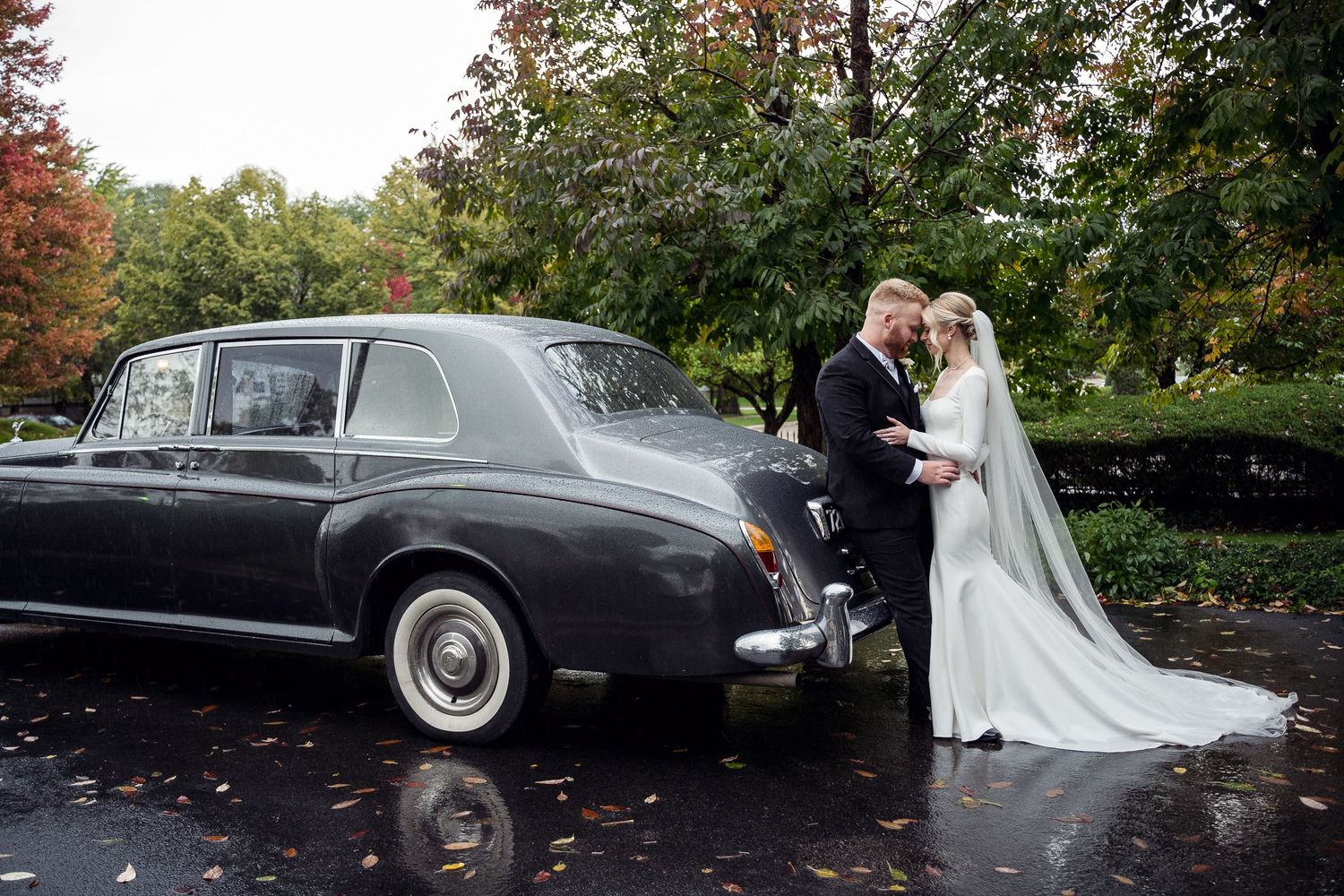
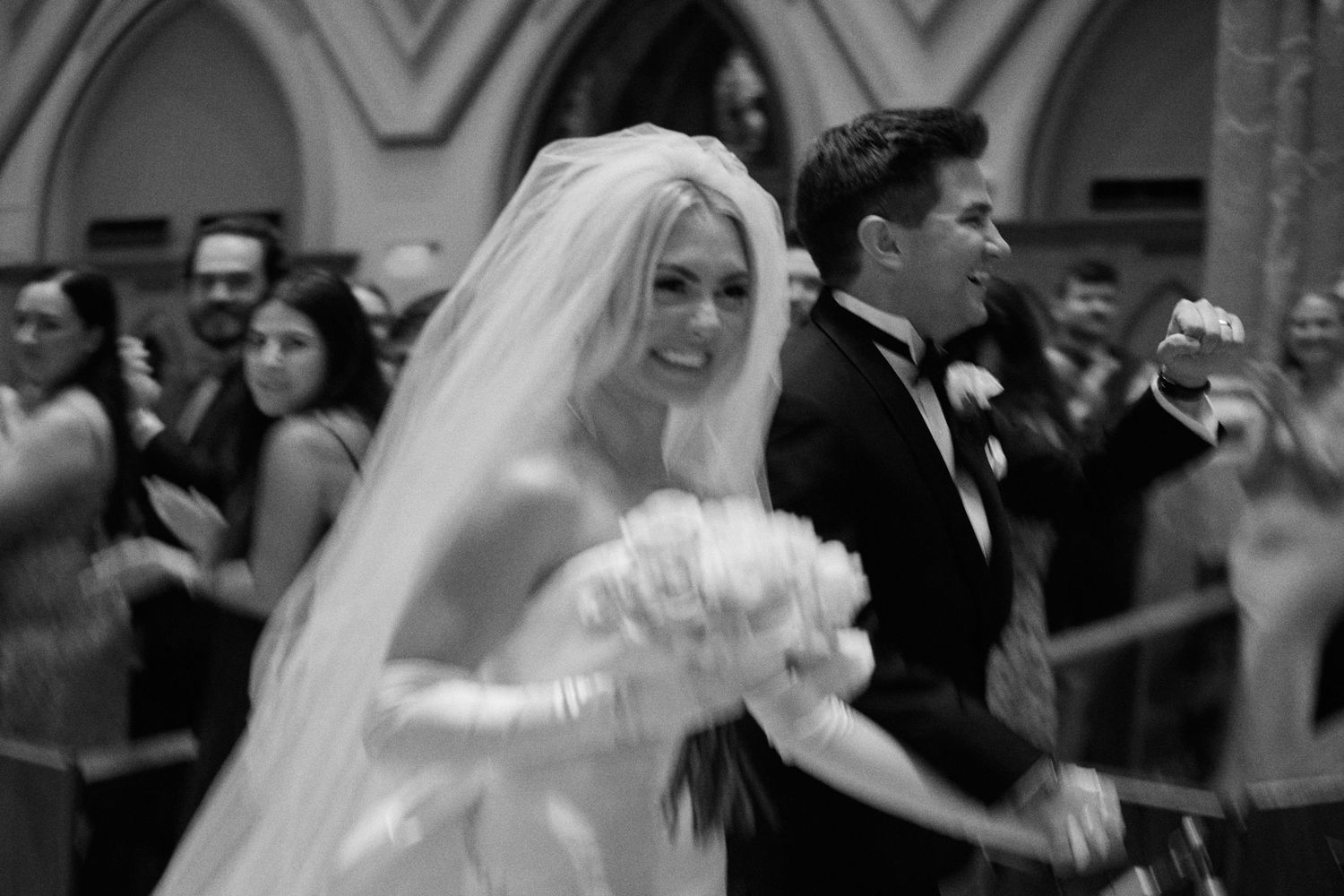
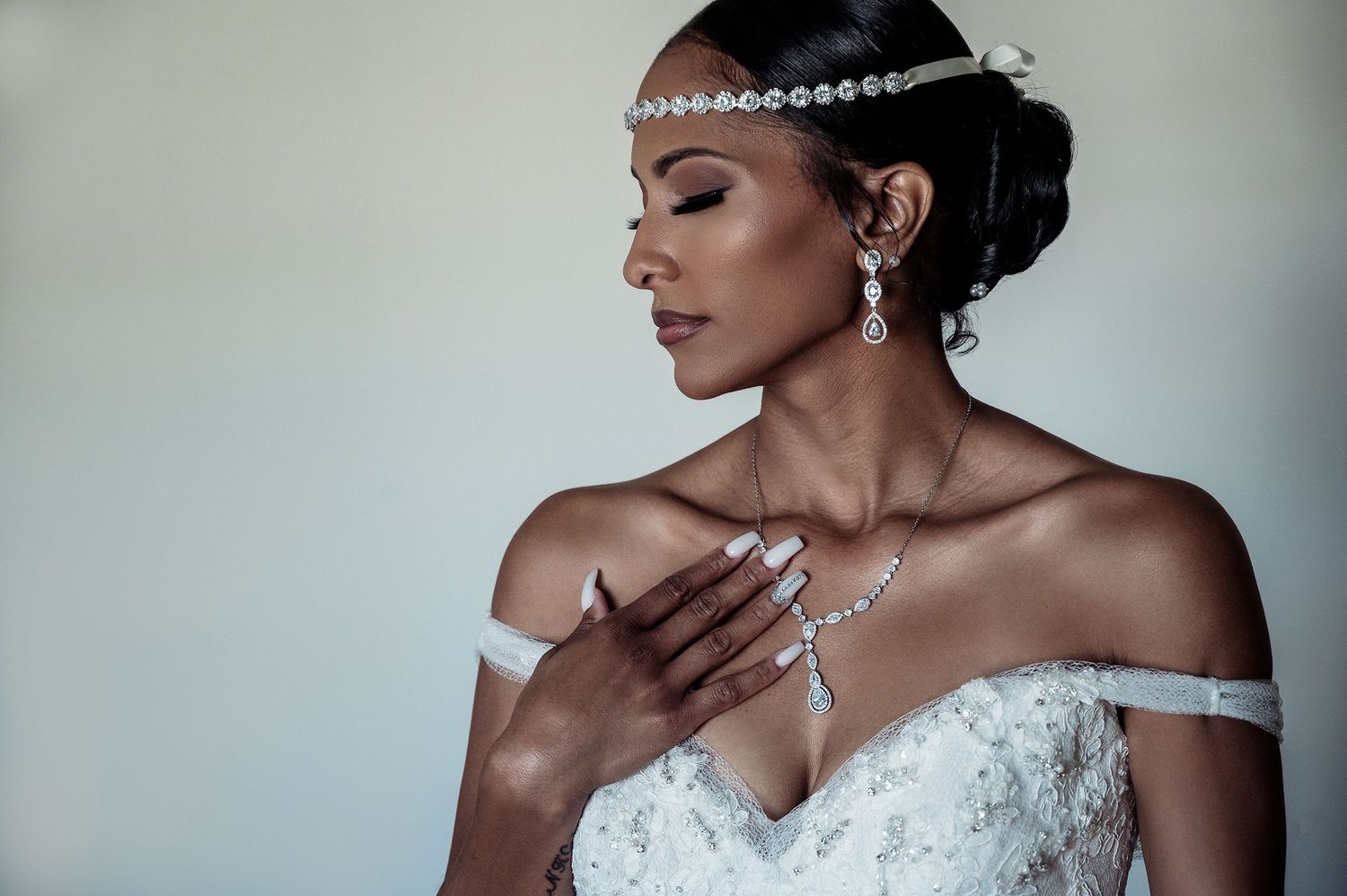
Wedding photography is about more than beautiful portraits.
It's about how your story is interpreted, how moments are preserved, and how the images make you feel years after the celebration.
Understanding different photography styles can help you recognize what resonates most with you.
Editorial Wedding Photography
Editorial photography emphasizes thoughtful composition, refined portraits, and a fashion-inspired approach.
The images often feel polished and intentional while still reflecting the personalities of the couple.
Documentary Wedding Photography
Documentary photography focuses on observing and capturing moments as they naturally unfold.
It preserves the spontaneous laughter, meaningful interactions, and emotional details that make each wedding unique.
Traditional Wedding Photography
Traditional photography emphasizes timeless portraits and important group photographs.
It often includes structured family portraits, wedding party images, and classic compositions.
Fine Art Wedding Photography
Fine art photography places particular emphasis on artistic interpretation, light, composition, and visual storytelling.
The goal is to create images that feel both beautiful and emotionally meaningful.
Finding the Right Balance
You don't necessarily need to choose just one style.
At Light + Chapel, our approach combines editorial refinement with authentic, documentary storytelling.
We believe beautiful wedding photographs should feel intentional without losing the genuine emotion of the moment. The best images don't simply show how your wedding looked. They remind you how it felt.
7. Planning Wedding Photography in Chicago
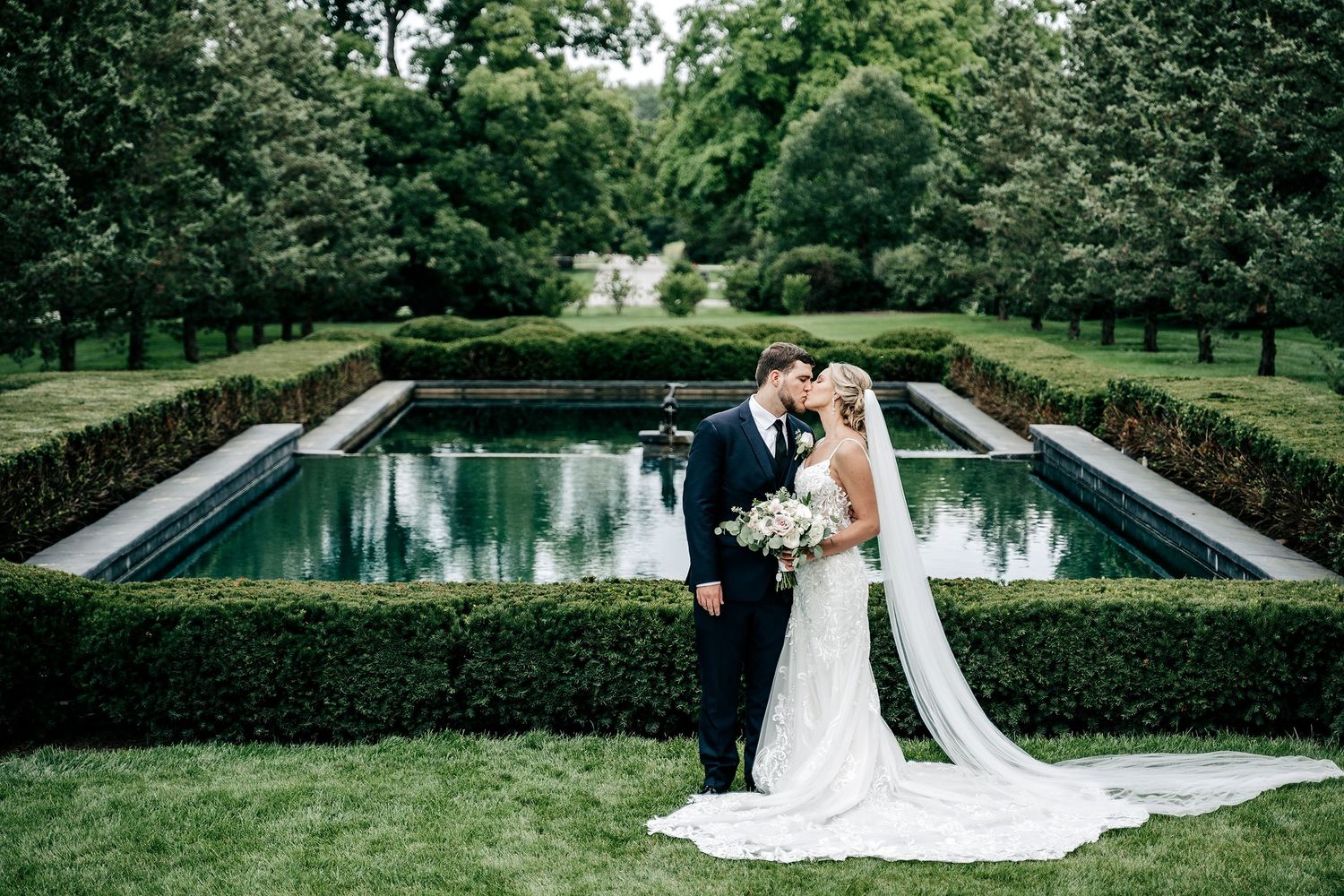
Chicago offers extraordinary opportunities for wedding photography, but photographing a wedding in the city also requires thoughtful planning.
From the architecture of downtown to the lakefront, historic neighborhoods, and intimate garden spaces, the city provides an incredible variety of backdrops.
Consider Travel Between Locations
If you plan to take portraits away from your ceremony or reception venue, account for transportation, traffic, parking, and the time needed to move comfortably between locations.
A photography timeline should provide enough room for meaningful portraits without making the day feel rushed.
Plan Around Natural Light
Lighting can significantly affect the atmosphere of your wedding photographs.
If outdoor portraits are important to you, discuss sunset timing and seasonal daylight with your photographer.
Chicago's shorter winter days and longer summer evenings can lead to very different photography timelines.
Prepare for the Unexpected
Weather is another important consideration.
Rain, wind, heat, and cold can all influence outdoor portraits, particularly near Lake Michigan.
Having an indoor alternative or a flexible portrait plan can help protect the experience without sacrificing beautiful imagery.
Think Beyond the Iconic Locations
Chicago's skyline and architectural landmarks are beautiful, but meaningful wedding photography doesn't always require a famous location.
Sometimes the most compelling images happen in quiet moments at your venue, along a neighborhood street, or somewhere that holds personal significance.
Your photographs should reflect your story, not simply serve as a tour of the city.
8. Your Wedding Planning Timeline and Checklist
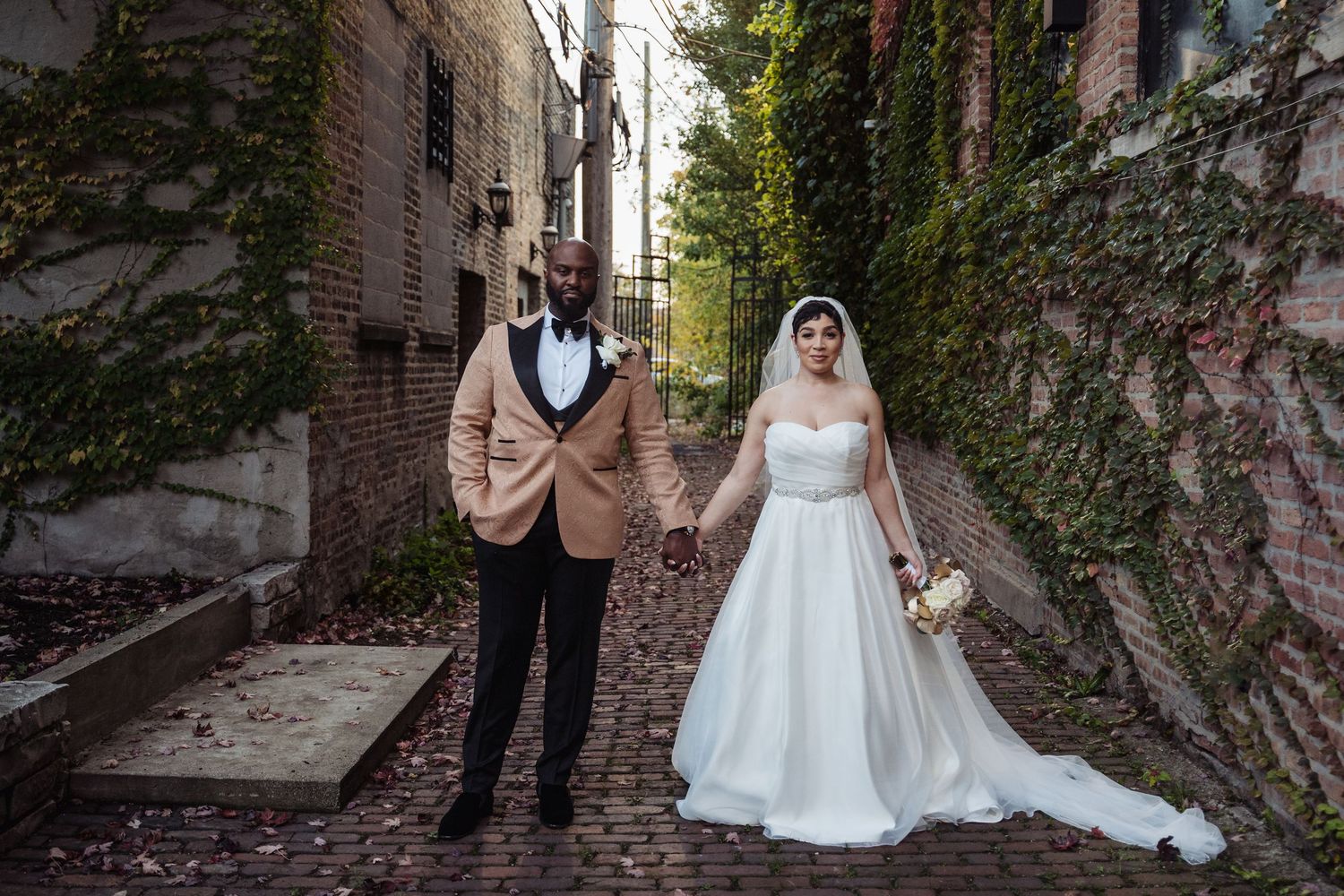
Every wedding is different, but the following timeline offers a helpful framework.
12–18 Months Before
- Discuss your vision and priorities
- Establish an initial budget
- Create a preliminary guest list
- Research wedding dates and venues
- Explore wedding planners, photographers, and other priority vendors
9–12 Months Before
- Secure key vendors
- Schedule engagement photographs if desired
- Begin exploring attire
- Develop your wedding website
- Discuss early photography and videography plans
6–9 Months Before
- Finalize important design decisions
- Continue coordinating with vendors
- Plan accommodations and transportation
- Discuss ceremony and reception details
3–6 Months Before
- Refine your wedding day timeline
- Organize family portrait groupings
- Discuss portrait locations
- Review transportation logistics
- Finalize remaining vendor details
1–2 Months Before
- Confirm vendor arrangements
- Review your photography timeline
- Share important family considerations
- Prepare final details and accessories
- Discuss any changes to the schedule
Wedding Week
- Confirm final logistics
- Prepare personal items and details
- Delegate responsibilities
- Give yourselves permission to enjoy the experience
Remember, this is a flexible framework. Your wedding planner and vendors can help adjust the timeline based on your actual wedding date and needs.
9. Frequently Asked Wedding Planning Questions
FAQ
What should we do immediately after getting engaged?
Start by celebrating and sharing the news with the people closest to you. When you're ready, discuss your wedding priorities, approximate budget, guest count, and preferred season before making major commitments.
How soon should we start planning our wedding?
That depends on your desired wedding date and the complexity of your celebration. Couples planning a large wedding during a popular season may benefit from beginning earlier, while smaller celebrations may require less lead time.
Should we choose our wedding venue or photographer first?
Most couples secure their date and venue before officially booking photography. However, if there's a particular photographer you want to work with, it's worth checking their availability while considering dates.
How far in advance should we book wedding photography?
Approximately 9–15 months is a useful planning window for many weddings, but there isn't a universal deadline. Reach out earlier for highly sought-after dates or photographers.
Do we need engagement photos if our proposal was photographed?
Not necessarily. Proposal photographs beautifully preserve the surprise and emotion of the engagement, while a dedicated engagement session offers more time for creative portraits, multiple locations, and a relaxed photography experience. Both can be meaningful, but you don't need both.
Should we hire both a wedding photographer and videographer?
Photography and videography preserve different parts of your celebration. Photographs capture individual moments, while video preserves movement, voices, and the atmosphere of the day. Whether you need both depends on your priorities and budget.
How do we choose the right wedding photographer?
Look beyond social media highlights. Review complete wedding galleries, understand the photographer's approach, ask about their experience and collections, and choose someone whose work and personality align with your vision.
10. Your Story Is Just Beginning